
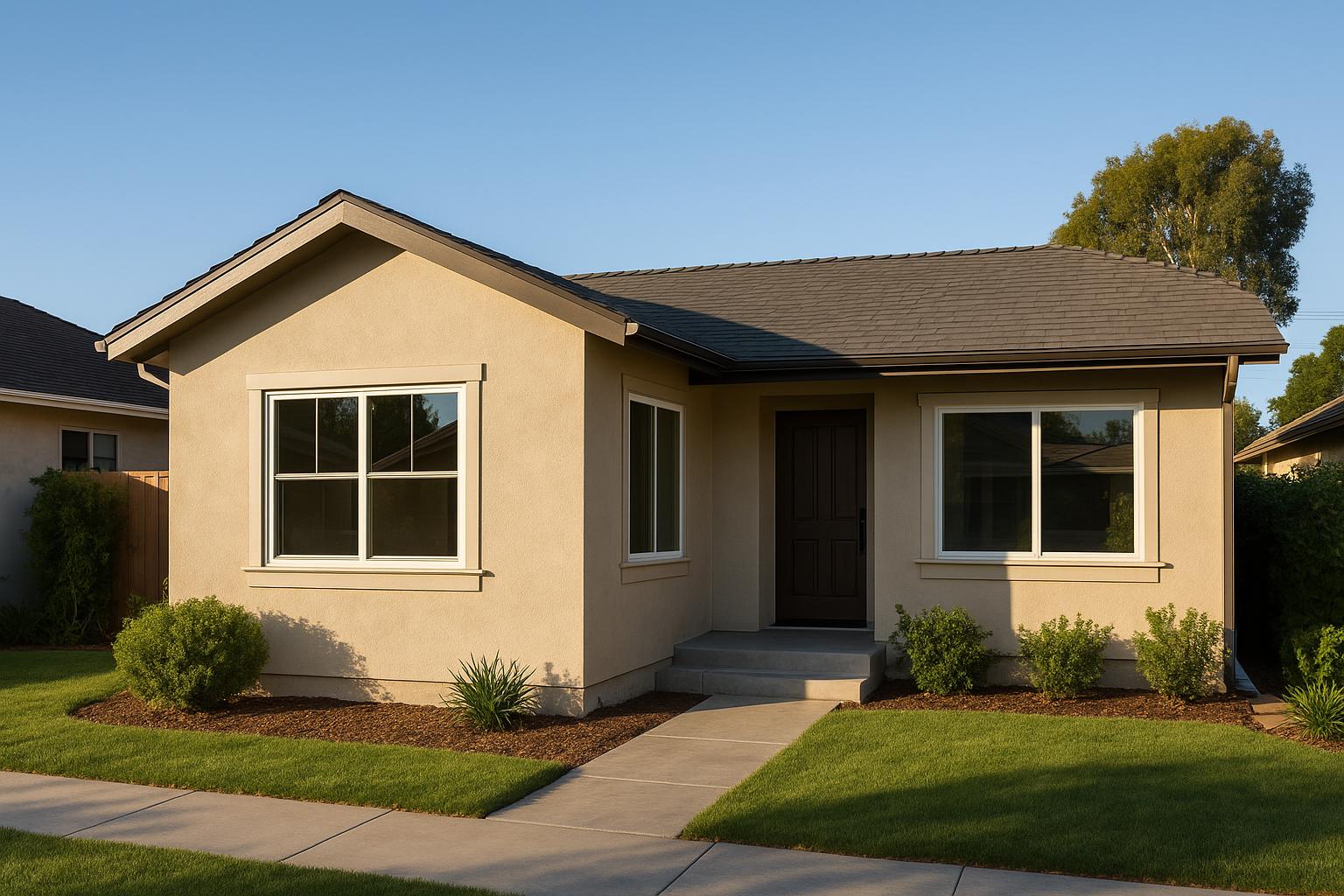
Why Planning Is Everything in a Room Addition
Adding a room to your home is exciting. Whether you need extra space for a growing family, a dedicated home office, or a private suite for aging parents, a room addition can dramatically improve your daily life. But without careful planning, it can also become a source of stress, delays, and budget overruns.
At Apex Room Addition, we've helped homeowners throughout La Mesa navigate the room addition process from start to finish. Over the years, we've seen what separates smooth projects from chaotic ones — and it almost always comes down to preparation. Here's a practical guide to planning your room addition so you can avoid the most common surprises.
Start With Your "Why" Before Your "What"
Before you start picking out finishes or sketching floor plans, take a step back and clarify why you need the addition. This sounds simple, but it's a step many homeowners skip.
- Do you need more square footage, or could a reconfigured layout solve the problem?
- Are you planning to age in place and need accessible features like a ground-floor bedroom or walk-in shower?
- Is this about increasing resale value, or is it purely about livability?
Your answers will shape every decision that follows — from the size and location of the addition to the materials you choose and the budget you set. A clear purpose keeps the project focused and prevents scope creep, which is one of the biggest sources of unexpected costs.
Understand La Mesa's Permitting and Zoning Requirements
One of the earliest surprises homeowners encounter is the permitting process. In La Mesa, room additions require building permits, and your project must comply with local zoning regulations. These rules govern things like setback distances from property lines, maximum lot coverage, height restrictions, and more.
If your property is in a historic district or a neighborhood with a homeowners association, there may be additional design guidelines to follow. Failing to account for these requirements early on can lead to costly redesigns or project delays.
A reputable local contractor will be familiar with La Mesa's building codes and can help you navigate the permitting process efficiently. At Apex Room Addition, we handle permit applications as part of our standard process so homeowners don't have to manage that complexity on their own.
Set a Realistic Budget — Then Add a Contingency
Budgeting for a room addition involves more than just construction costs. Here's a breakdown of what to account for:
- Design and architectural plans: Professional drawings are required for permits and ensure the addition integrates properly with your existing home.
- Permits and fees: These vary based on the scope of the project.
- Site preparation: Grading, foundation work, and utility connections can vary significantly depending on your property's conditions.
- Construction labor and materials: This is the largest portion of your budget.
- Finishes and fixtures: Flooring, lighting, cabinetry, paint — these details add up quickly.
- Landscaping restoration: Construction equipment and foot traffic can impact your yard.
We always recommend setting aside a contingency of 10 to 15 percent of your total budget. Even with thorough planning, older homes in neighborhoods like La Mesa's established communities can reveal surprises once walls are opened — outdated wiring, plumbing that needs rerouting, or soil conditions that require extra foundation work. A contingency fund keeps these discoveries from derailing your project.
Choose the Right Contractor Early
Your contractor is your most important partner in this process. Choosing the right one early — ideally before you finalize your design — gives you access to practical construction knowledge that can save you money and headaches.
Here's what to look for:
- Licensed and insured: This is non-negotiable in California. Verify their license through the Contractors State License Board.
- Local experience: A contractor who regularly works in La Mesa and surrounding areas like El Cajon, Lemon Grove, and Spring Valley will understand local building codes, soil conditions, and common construction challenges in the region.
- Transparent communication: Ask how they handle change orders, timeline updates, and unexpected issues. A good contractor sets clear expectations from day one.
- References and portfolio: Ask to see completed projects similar to yours and speak with past clients.
Be cautious of bids that seem significantly lower than others. In remodeling, a low bid often means corners will be cut or that the contractor hasn't fully accounted for the scope of work — which leads to change orders and cost increases later.
Think About How the Addition Connects to Your Existing Home
A room addition shouldn't feel like an afterthought bolted onto your house. One of the most important design considerations is how the new space flows with the existing layout. Think about:
- Hallways and transitions: How will you move between the old and new spaces? Awkward hallways or level changes can make an addition feel disconnected.
- Roofline integration: The addition's roof should complement your home's existing architecture, not clash with it.
- Matching materials: Exterior siding, windows, and trim should blend seamlessly so the addition looks original to the home.
- HVAC and electrical capacity: Can your existing systems support the additional square footage, or will upgrades be needed?
These details are easy to overlook in the excitement of gaining new space, but they make a significant difference in both the livability and resale value of your home.
Plan for the Construction Phase Itself
Living through a remodel takes patience. A room addition typically takes several weeks to a few months depending on complexity. Planning for the disruption can make the experience much more manageable.
- Establish a timeline with your contractor and understand which phases will be most disruptive.
- Set up temporary living arrangements if the construction impacts essential areas like your kitchen or bathroom.
- Communicate with neighbors. Construction noise and contractor vehicles are part of the process. A heads-up goes a long way in maintaining good relationships.
- Secure pets and valuables. Open walls, power tools, and unfamiliar workers create safety concerns for animals and belongings.
The Payoff Is Worth the Preparation
A well-planned room addition adds functional living space, increases your home's value, and improves your quality of life for years to come. The key is investing time upfront in thoughtful planning so the construction phase goes as smoothly as possible.
If you're a homeowner in La Mesa considering a room addition, we'd love to help you think through the process. At Apex Room Addition, we guide our clients from the initial concept through final walkthrough, ensuring every detail is accounted for. Reach out to us for a consultation, and let's talk about how to make your vision a reality — without the surprises.