
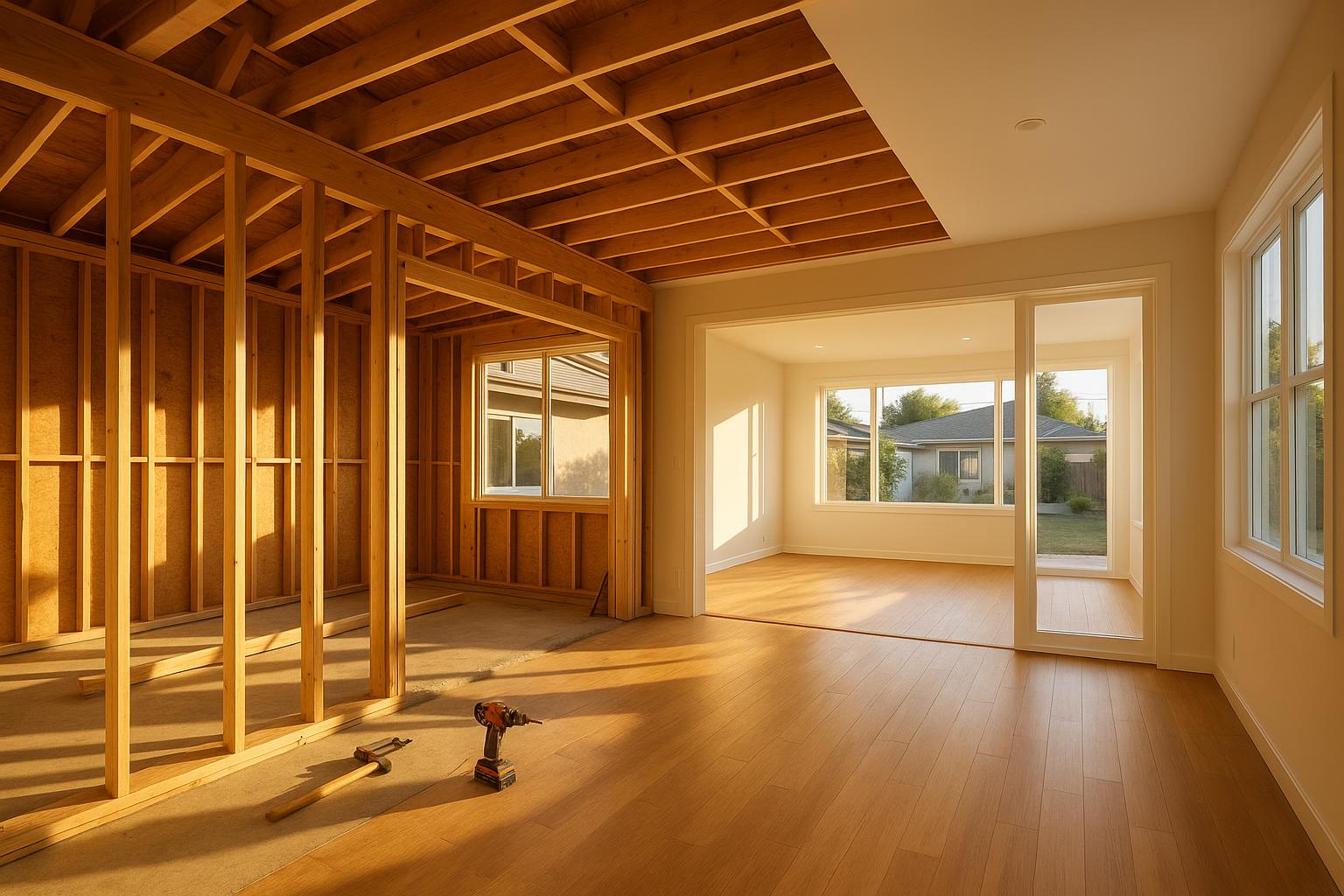
Why Budget Planning Matters Before You Add a Room
Adding a room to your home is one of the most exciting investments you can make. Whether you need a new bedroom for a growing family, a dedicated home office, or a sunlit living area, a well-executed room addition can dramatically improve your daily life and boost your property value. But here's the reality: without careful planning, costs can climb fast.
For homeowners in La Mesa and the surrounding communities, understanding how to plan a room addition budget from the start can mean the difference between a smooth project and a stressful financial headache. In this guide, we'll walk you through the key steps to keep your room addition on track and on budget.
Step 1: Define Your Goals Before You Call a Contractor
Before you start collecting quotes or browsing Pinterest boards, sit down and answer a few fundamental questions:
- What problem are you solving? Do you need more bedrooms, a larger kitchen, or a multipurpose space?
- How will the space be used daily? A guest bedroom has very different requirements than a home gym or a family room.
- What's your realistic budget range? Be honest about what you can afford, including a contingency buffer.
Having clear answers to these questions helps your contractor provide accurate estimates and prevents scope creep — the gradual expansion of a project that quietly inflates costs.
Step 2: Understand What Drives Room Addition Costs
Room addition pricing isn't one-size-fits-all. Several factors influence the final number, and knowing them upfront helps you make smarter decisions.
Foundation and Structural Work
Every room addition requires a foundation, and the type depends on your lot's terrain and soil conditions. In La Mesa, where hillside properties and varied lot grades are common, foundation work can vary significantly from one home to the next. Slab foundations tend to cost less than raised or pier foundations, but your contractor will recommend what's safest and most appropriate for your property.
Size and Complexity
A straightforward 200-square-foot bedroom addition costs considerably less than a 400-square-foot great room with vaulted ceilings and large windows. The more complex the design — including roofline changes, load-bearing wall modifications, and custom architectural details — the higher the price.
Plumbing and Electrical
If your addition includes a bathroom, kitchenette, or laundry hookups, expect plumbing and electrical costs to increase. Simple bedroom or office additions with standard electrical needs are generally more affordable.
Permits and Engineering
Room additions in La Mesa require building permits from the City of La Mesa's Building Division. Permit fees, structural engineering plans, and inspections are non-negotiable costs that protect you and ensure your addition is safe and code-compliant. A reputable contractor will handle the permitting process for you, but it's important to factor these fees into your budget from the beginning.
Finishes and Materials
Flooring, paint, lighting fixtures, trim, and windows all add up. This is one area where homeowners have the most control over costs. Choosing mid-range materials instead of premium options can save thousands without sacrificing quality or aesthetics.
Step 3: Build a Contingency Fund
Even the best-planned projects encounter surprises. Maybe the existing electrical panel needs an upgrade, or the contractor discovers outdated plumbing behind a wall. Industry professionals typically recommend setting aside 10 to 15 percent of your total budget as a contingency fund.
This isn't money you plan to spend — it's a safety net. If everything goes smoothly, you keep it. If unexpected issues arise, you're prepared without scrambling for additional financing.
Step 4: Get Detailed Written Estimates
When you're ready to talk to contractors, don't settle for ballpark numbers scribbled on the back of a business card. Request detailed, itemized written estimates that break down costs by category: demolition, foundation, framing, roofing, electrical, plumbing, HVAC, insulation, drywall, finishes, permits, and labor.
This level of detail allows you to compare bids fairly and identify where one contractor might be cutting corners or where another is padding costs. At Apex Room Addition, we provide transparent estimates so our clients in La Mesa and neighboring cities like El Cajon, Lemon Grove, and Spring Valley know exactly where every dollar is going.
Step 5: Prioritize What Matters Most
If your initial plans exceed your budget, don't panic — prioritize. Work with your contractor to identify which elements are essential and which are nice-to-have. For example:
- Essential: Proper foundation, code-compliant electrical, quality insulation, and durable roofing.
- Nice-to-have: Custom built-in shelving, premium hardwood floors, or designer light fixtures.
You can always upgrade finishes later, but you can't easily redo structural work. Invest in the bones of your addition first, and save the luxury touches for a future phase if needed.
Step 6: Consider Financing Options Early
Many homeowners finance room additions through home equity loans, home equity lines of credit (HELOCs), or cash-out refinancing. Each option has different interest rates, terms, and tax implications. Talk to your lender early in the planning process so you know exactly how much you can borrow and what your monthly payments will look like.
Having financing secured before construction begins also gives you negotiating power and prevents costly delays mid-project.
Step 7: Choose a Contractor You Trust
Your contractor is the single biggest factor in whether your room addition stays on budget. Look for a company that:
- Is licensed, bonded, and insured in California
- Has verifiable experience with room additions in your area
- Provides clear contracts with detailed payment schedules
- Communicates proactively about timelines and potential issues
- Has positive reviews from local homeowners
A trustworthy contractor won't just build your addition — they'll guide you through decisions, flag potential cost issues before they become problems, and keep the project moving efficiently.
The Bottom Line for La Mesa Homeowners
A room addition is a significant investment, but it doesn't have to break the bank. By defining your goals early, understanding cost drivers, building in a contingency fund, and partnering with an experienced local contractor, you can add the space your family needs while staying within a budget you're comfortable with.
At Apex Room Addition, we've helped homeowners throughout La Mesa, Santee, San Diego, and the East County expand their homes with quality craftsmanship and honest pricing. If you're considering a room addition and want a clear, no-pressure estimate, we'd love to hear from you.